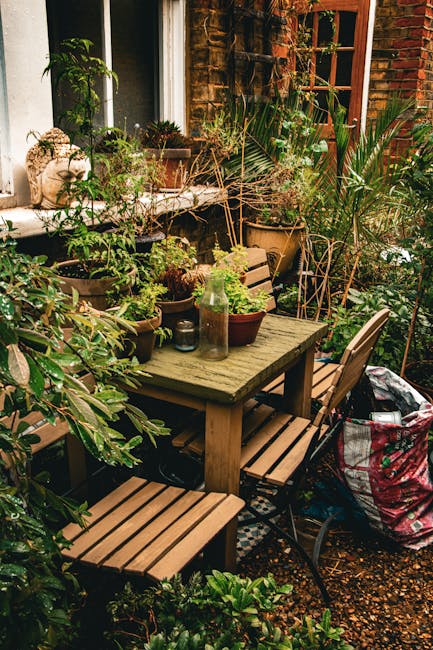
Hedge Trimming in Spitalfields

Hedge trimming in Spitalfields is a practical service for keeping boundary planting neat, even and manageable through the seasons. We focus on the shaping, reduction and routine maintenance of hedges so they remain healthy-looking and suited to the space they occupy. Whether the hedge sits along a frontage, frames a courtyard or forms part of a shared garden edge, careful trimming helps maintain a tidy finish without cutting more than is needed.
Our work can suit simple annual maintenance as well as more involved rebalancing where growth has become uneven or difficult to control. We approach each hedge according to its form, species and purpose, because the right cut depends on the plant as much as on the look you want to achieve. For customers who want to request a quotation, the best starting point is to share the hedge type, approximate length and access details.
If you are comparing hedge care options, it often helps to think about finish, timing and the amount of growth that needs removing. Light trimming is usually about preserving shape, while heavier reduction calls for a more cautious approach to avoid leaving bare patches or stressing the plant. We can discuss the most suitable approach for your hedge and then arrange the work around the condition of the planting and the layout of the site.
Routine Hedge Maintenance
Regular hedge maintenance is the simplest way to keep growth under control before the shape becomes difficult to restore. In many gardens and shared outdoor spaces, a hedge that is cut consistently will hold a cleaner line, develop a denser appearance and stay easier to manage than one left to grow unchecked. The aim is not only visual neatness; it is also to support a tidy boundary that continues to do its job without spilling into paths, drives or neighbouring areas.
We can work on hedges that need a light seasonal tidy, a more deliberate formative trim or a repeat maintenance cut after a period of stronger growth. Different hedges respond in different ways, so the cutting style should respect the plant’s habit rather than forcing every section to look identical. That means allowing for taper, height, side spread and the natural density of the foliage while still producing a crisp result.
For useful links around our services, see the services overview if you want to understand how hedge work sits alongside other outdoor maintenance options. It can also help to read about our garden maintenance service if your hedge care is part of a wider upkeep plan for borders, lawns and planted areas.
Shaping, Height Reduction and Renewal

Some hedges only need a neat outline, but others require more careful shaping to restore balance after a missed season or uneven growth. In those cases, we look at how much can be removed without leaving the hedge thin or compromising its structure. Height reduction is usually best handled gradually where possible, especially if the hedge has not been cut back consistently, because a severe change can leave a less satisfactory finish than a staged approach.
Shaping is also important when a hedge has a dual role, such as screening a seating area while still letting light into the garden. A good cut considers where the hedge begins and ends, what it frames, and how the line will appear from both sides. Good hedge work is as much about proportion as it is about removal, especially in areas where the planting needs to feel orderly rather than heavy-handed.
If your project involves wider garden improvement rather than hedge trimming alone, our landscape gardening and landscaping pages explain related outdoor work that may be relevant when you are planning a fuller refresh. Those options can be useful where hedges sit within a broader scheme of planting, paving or space definition.
Access, Finish and Site Considerations
Hedge trimming is often straightforward, but the practical side of the job matters. Access, surrounding surfaces and the width of the working area all influence how the hedge should be handled. A hedge close to a wall, fence or narrow path may need a more measured approach than one with open space around it. Careful handling helps protect adjacent planting and makes it easier to leave the area tidy once the cut is complete.
When preparing for a quotation, two details are particularly useful: the approximate size of the hedge and any access limits around the site. If a hedge runs along a boundary with limited entry or overhangs public-facing space, that can affect the time needed and the method used. It is also helpful to note whether the hedge is simply to be trimmed or whether you want sections reduced in height or width. That gives a clearer picture of the work involved.
You can also review our pricing and quotes page if you want to understand how requests are usually assessed. For an enquiry, contact us with a brief description of the hedge and the service you need.
Hedge Trimming for Front Gardens and Shared Boundaries

Front hedges and shared boundary hedges usually need a finish that looks tidy from more than one angle. A front-facing hedge may frame the property line and influence the overall appearance of the outside space, while a shared boundary often needs a balanced result that feels reasonable from both sides. In both cases, the cut should reflect the hedge’s purpose as well as the preferred appearance of the surrounding area.
Where a hedge borders a drive or pavement, keeping the line clear can make day-to-day use of the space more straightforward. The work may involve shortening overgrowth, restoring the top line, or tightening the sides so the hedge sits neatly within its allotted space. We can also look at hedges that need a more restrained cut because they are supporting privacy or screening rather than being used purely as decorative edging.
Hedges do not all behave in the same way, so the most effective trimming plan depends on species, growth rate and the condition of the wood beneath the outer foliage. If you are unsure how much can be removed, a cautious assessment is better than an aggressive cut. The aim is to leave the hedge looking intentional and healthy, not just shorter. For general business information, you can also read our about us page.
Comparing Hedge Work with Other Outdoor Services
Hedge trimming is often one part of a wider garden care plan, especially where the outdoor space also needs clearing, mowing or structural improvement. In a property with mixed planting and hard landscaping, the order of work can matter as much as the individual tasks. A hedge cut may define the edges of the space, while other services help restore usability, reduce clutter or shape the garden more broadly.
Where hedges are growing alongside rough ground, fallen material or neglected planting, it can be sensible to consider related work at the same time. Our garden clearance page may be useful if your hedge trimming is part of a tidying project, while lawn mowing is relevant when the surrounding grass also needs attention. If trees are affecting light or crowding the hedge line, tree lopping and removal may be the more suitable topic to review.
For some properties, combining tasks can make the result easier to manage, but each job still needs to be judged on its own merits. A hedge cut should be planned around the plant and the boundary line, not treated as a generic tidy-up. If you want to talk through a fuller outdoor package, the simplest next step is to outline the work you have in mind and request a quotation.
About Spitalfields
Spitalfields is an area in the East End of London best known for its long trading history, its mix of historic streets and later redevelopment, and its close relationship with the City fringe. The name is often associated with the old hospital or priory lands from which the district developed, and with the market culture that became one of its defining features. Over time the area has changed from a place shaped by trade, immigration and textile work into one where heritage buildings sit alongside offices, homes and busy visitor streets. That layered identity is still visible in the street pattern and in the variety of building styles. Brick terraces, converted commercial premises and later additions all contribute to a streetscape that feels compact and highly varied. The area is also linked to the wider story of east London’s social and economic change, with successive communities leaving their mark through worship, commerce and housing. Among the most recognisable elements of the district is the market tradition that has long drawn local and regional footfall, while nearby streets retain a quieter character with smaller plots and narrow frontages. The combination of older architecture and contemporary use makes Spitalfields distinctive within inner London, and its built environment reflects both preservation and adaptation. As a place, it remains closely tied to movement, exchange and neighbourhood life rather than any single function, which is part of what gives it such a strong identity within the capital.
Tailored Hedge Care for Different Property Types

Not every hedge serves the same purpose, so the trimming approach should reflect the property type and the way the hedge is used. A compact residential garden may need a light, clean cut to preserve space and keep the planting balanced. A larger shared boundary may call for a more regular maintenance schedule to prevent the hedge from becoming difficult to control. In every case, the finish should suit the setting rather than imposing one standard look everywhere.
We can work with hedges that are primarily decorative, hedges that screen views, and hedges that mark a boundary without dominating the rest of the garden. Each of those roles affects how much growth can reasonably be removed and how the shape should be restored. In particular, a screening hedge may need to remain slightly fuller, while a formal boundary hedge may benefit from a more defined line and a sharper top edge.
If you are arranging outdoor maintenance as part of ongoing care, it may help to review our hedge trimming service page for a focused overview of the work itself and how it is approached. For questions about practical matters such as security, payments or site handling, the relevant policy pages can also be useful references.
What Helps a Quotation Feel Accurate
Quotation requests are usually clearer when they describe the hedge in straightforward terms. The approximate length, the usual height and whether the hedge is narrow, broad or overgrown all help set expectations properly. It is also worth noting whether the work is a routine trim, a one-off tidy or a reduction from a more difficult starting point, because those jobs are not identical in the amount of time and care they require.
Access details matter as well. A hedge that can be reached easily from one side is a different prospect from one that sits behind a narrow path or above an area with delicate planting beneath it. If there is any concern about waste handling, restricted entry, or whether the hedge overhangs a neighbour’s side, it is sensible to mention that up front. That allows the quotation to reflect the real conditions rather than an assumed ideal layout.
Two practical steps can help before you send an enquiry: check the hedge from both sides if that is possible, and decide whether you want trimming only or a more noticeable reduction. Then use our contact us page to request a quotation with those details.
Supporting Outdoor Projects Beyond the Hedge Line

Hedge trimming often sits alongside broader garden work where different elements of the space need attention in sequence. A hedge may define the edge of a planting scheme, while decking, lawns or landscaped areas shape how people use the rest of the garden. When those parts are out of balance, the outdoor space can feel untidy even if each element is individually sound. Looking at the whole setting can therefore make the finished result more coherent.
Our decking services page may be relevant if your hedge sits close to a seating or circulation area that is being improved at the same time. You might also find the recycling and sustainability page helpful if you want to understand how garden material and other waste are approached in a more responsible way. Where maintenance forms part of a longer-term plan, garden maintenance can offer a useful broader context for ongoing care.
For customers who are ready to move forward, the simplest next step is to make an enquiry and request a quotation. Please include the hedge location in Spitalfields, the basic dimensions and the kind of finish you want, and we can discuss the work from there.